Category Archives: Plants

Arizona Poppy (Kallstroemia grandiflora)

Right now, the Arizona poppy in my favorite flower. It is painting the landscape in the Tuscon area in seas of orange.
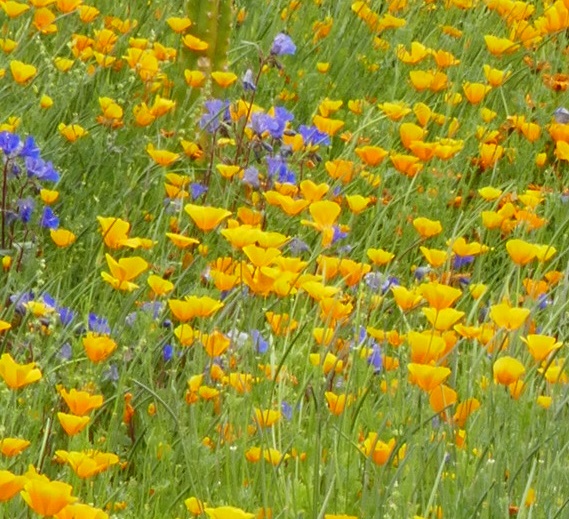
The Arizona poppy (Kallstroemia grandiflora), is a striking wildflower native to the southwestern United States and northern Mexico. Also referred to as the Desert Calico or Mexican Poppy, this resilient plant is renowned for its vibrant orange-yellow blossoms that paint the arid landscapes with bursts of color, particularly during the springtime.

Thriving in dry, rocky soils and arid climates, the Arizona poppy is well-adapted to survive in harsh desert conditions, making it a symbol of resilience and endurance. It is a perfect addition to any landscape. Its flowers, typically about an inch in diameter, bloom atop thin stems, swaying gently in the breeze.

Not only is the Arizona poppy visually captivating, but it also plays a crucial role in its ecosystem, providing nectar and pollen for various pollinators like bees and butterflies. Additionally, its seeds serve as a food source for desert-dwelling birds and small mammals.

Next time you find yourself in the desert landscapes of the Southwest, keep an eye out for this resilient wildflower, adding a splash of color to the arid terrain.


This post brought to you by the letter ‘K’ for Kallstroemia grandiflora.

#AtoZChallenge 2024 letter K

1 Comment

Filed under Gardening, Plants

Jojoba

Meet the jojoba shrub (Simmondsia chinensis), a fascinating plant renowned for its versatile uses and resilience in arid climates. Native to the deserts of the American Southwest, this evergreen shrub has captured the attention of skincare enthusiasts, environmentalists, and sustainable industries alike. We in the Sonoran desert love it for its resilience in our landscape.

Natural Beauty Secret: Jojoba oil, extracted from the seeds of the jojoba (pronounced ho-ho-ba), is a prized ingredient in skincare products. Rich in vitamins E and B, as well as antioxidants, jojoba oil nourishes and hydrates the skin. It’s a staple in moisturizers, lip balms, and hair care products, offering a natural solution for healthy skin and hair. Who doesn’t need this in our dry climate?

Eco-Friendly Crop: Beyond beauty, jojoba cultivation presents environmental benefits. Thriving in harsh desert conditions, jojoba requires minimal water and pesticides, making it a sustainable alternative to traditional crops. Its deep roots help prevent soil erosion, and it can even be used in land reclamation projects.

A Perfect Shrub for Desert Homes: Here in the Sonoran Desert the jojoba is right at home. It is a native not only to the Sonoran desert, but it calls much of the Southwest home. These tough plants thrive in our well-drained soils with sand or you can amend it with decomposed granite. Jojoba prefers full sun dry climates and can tolerate saline and nutrient-poor soils.

Diverse Applications: The versatility of jojoba extends beyond cosmetics. Its oil is a common ingredient in industrial lubricants, biofuels, and even inks and paints. Additionally, jojoba meal, a byproduct of oil extraction, serves as a nutritious animal feed.

Symbol of Resilience: In a world increasingly concerned with sustainability and climate change, the jojoba shrub symbolizes resilience and adaptability. Its ability to thrive in harsh conditions while offering a multitude of benefits underscores the importance of harnessing nature’s gifts responsibly.

Whether you’re seeking a natural skincare solution, exploring sustainable agriculture, or simply marveling at the wonders of the plant kingdom, the jojoba shrub offers a captivating journey into the intersection of nature and human ingenuity. Let’s celebrate this remarkable plant and its contributions to our world!

Further reading:
National Library of Medicine
University of Arizona, Campus Arboretum


This post presented by the letter ‘J’

#AtoZChallenge 2024 letter J

4 Comments

Filed under Gardening, Plants

Fairy Dusters and Fig Trees

One of the great things about living in the Sonoran Desert are the variety of plants that grow here. For the letter ‘F’ in the A to Z Blogging Challenge, I give you the Fairy Duster (Calliandra californica) and Fig Tree (Ficus carica).

Fairy Duster

The Fairy Duster has to be about the cutest sounding plant around, but it is not the prettiest (IMHO). Although the spikey flowers are reminiscent of a duster you could associate with a fairy, the plant itself is very woody. When we first moved into our new home, I had three of these in the front yard. I now have zero. I was sad that none of them survived the winters up here (we are a bit higher than Tucson so the winters are just cold enough that we have snow and frost). Yet, they thrive just below us in and around Tucson.

Historically, the fairy duster’s roots have been used for a red dye used in leather work. Decoctions were used in folk medicine to treat cystitis, kidney ache, urethritis, prostate inflammation, cramps, fever, and toothache.

Further reading on the fairy duster can be found on these websites:
U of A’s Campus Arboretum and Natives Now SoCal.

Fig Tree

The humble fig has over 800 species and are mostly found in the tropics. There is one that I’m happy to say, grows in my yard, the Black Mission Fig (Ficus carica ‘Mission’). I am most excited about this tree because I planted it as a 6″ cutting (it is now about 8″ tall and has 10 leaves) from a larger fig tree. Most likely the “parent” fig is in the Master Gardeners’ demonstration gardens here in Tucson.

Fig trees are very hardy and can grow in Tucson’s tough soil with little to no added fertilizers. They have two harvest seasons so fruit is available nearly all year long. Because the fig is deciduous, avoid planting this near a pool or a patio. Also keep in mind that they grow to 20-30 feet high AND wide so give them enough space to spread out. Their roots also spread far and wide taking water from any resource available including other plants. A good spot to plant this fun fruit tree is near a basin that will provide plenty of water during monsoons.

Have you ever noticed the absence of figs in the produce section of the local grocer? Most fruits and vegetables that find their way to the grocery store are usually pick, packed, and shipped weeks before arriving at the produce section. Figs have a very short shelf life of only a week or two so unless you live by a fig grove, the possibility of finding fresh figs is pretty low. If you do happen to find fresh figs you’re in for a treat. The range of flavors across the many varieties run from sweet to nutty.

What I’m most looking forward to is the shade a fig can provide. I can see it now, sitting under the canopy of large lobed leaves with tea and a good book. I can’t think of a better way to spend an afternoon.

Learn more about fig trees:
Growing Common Figs in the Low Desert
Growing Edible Figs


5 Comments

Filed under Gardening, Plants

Emu Bushes

The first thing that attracted me to the Emu Bush was the name. How can you not like a plant with the name EMU? The second thing that caught my attention was the fact that they bloom in the winter. What a perfect way to add color to the long brown season called winter.

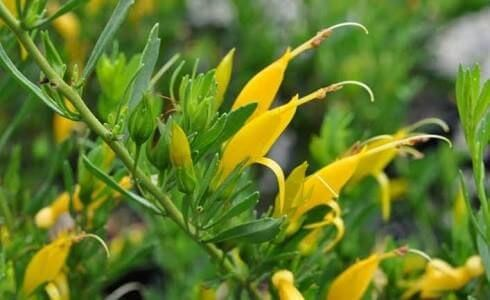
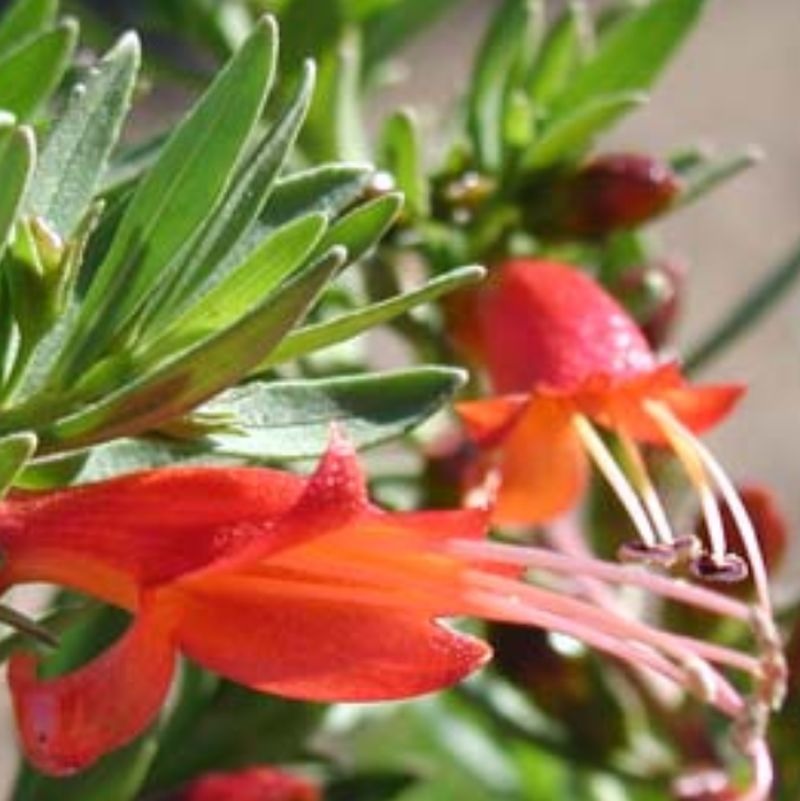
The Emu bush comes in several varieties. There is the Winter Blaze (Eremophila carnosa) which boasts a brilliant firetruck red flower. The Gold Emu (Eremophila glabra) has delicate yellow blossoms that contrast beautifully against our brown soil. Last of my favorite Emu bushes in the Valentine Emu (Eremophila maculata) which, as you might have guessed, shows off in pinks. *

Emu bushes also tend to grow slightly different from one another. Winter Blaze and the Valentine Emus grow to quite large bushes – 4-6 feet in all directions, whereas the Gold Emu is more of a ground cover growing to a 12′ spread but only about 20″ high. They love full sun and are quite hardy. They can be lightly pruned to maintain bushiness, and only need water about twice per month (a little more in the heat of the summer). Hummingbirds love this winter gem which is a big plus in my garden.

If you are interested in learning more about the Emu Bush here are a few references:
https://apps.cals.arizona.edu/arboretum/taxon.aspx?id=964
https://en.wikipedia.org/wiki/Eremophila_glabra#

*This is a good time to remind you that the botanic name is important. If you want to line a wall with high bushes, then don’t grab the Eremophila glabra, but consider the Eremophila carnosa instead.


This post brought to you by the letter ‘E’

#AtoZChallenge 2024 letter E

4 Comments

Filed under Gardening, Plants

Container Gardening in the Desert

Container gardening in the desert presents unique challenges and opportunities due to the arid climate and extreme temperatures. With proper planning and care, however, it can yield stunning results, allowing you to enjoy lush greenery and vibrant blooms even in the harshest conditions. Selecting the right containers is crucial; opt for terracotta, and steer away from plastic. Plastic containers are quite a bit lighter than terracotta, but they tend to dry out and crack under the intense heat and UV rays from the sun. Terracotta is made for the heat and by spending the added $$ for it, you will have many years of enjoyment from it. Be sure there is adequate drainage to prevent waterlogged roots.

When it comes to plant selection, prioritize species that are native to desert environments or are well-adapted to thrive in such conditions. Succulents, cacti, and drought-tolerant herbs like rosemary and lavender are excellent choices for desert container gardens. Incorporating a mix of textures and colors can create visually appealing arrangements while conserving water and minimizing maintenance requirements. Additionally, using mulch or decorative stones on the soil surface can help retain moisture and regulate soil temperature, promoting healthier growth.

Successful container gardening in the desert relies heavily on strategic placement and diligent care. Position containers in areas that receive adequate sunlight while providing some protection from the scorching midday heat. Regular watering is essential, especially during the hot summer months, but be mindful not to overwater, as excess moisture can lead to root rot in desert-adapted plants. With thoughtful planning and attention to the unique needs of desert flora, container gardening can create stunning oasis-like displays that thrive despite the challenges of the desert climate.


This post is presented by the letter ‘C’.

#AtoZChallenge 2024 letter C

2 Comments

Filed under Gardening, Plants

What’s in a Botanic Name?

Have you ever wondered what the long, Latin(ish), unpronounceable names are that you see on every label of a plant? Are they important? What do they mean? Here’s the short story on a somewhat long explanation.

Let’s first take a look at the two names that are associated with every plant out there (yes, every single plant on the planet has a unique botanical name). Botanical names are usually made up of two words. The first word (always capitalized) is the bigger group (genus) that a plant belongs to. Take the cactus which all belong to the family group, Cactaceae. The second word (never capitalized) relates to the specific plant. So, Carnegiea gigantea refers to the cactus known as the saguaro. Notice the botanic name is italicized and by the “rules” it should also be underlined, but this is not always practiced.

Saguaro in Catalina State Park
Carnegiea gigantea

So, if Carnegiea is the name for cactus, what other families are out there? (In honor of this being the letter B in the A to Z blogging challenge, these are a few that start with the letter B):

  • Baileya multiradiata, Desert Marigold
  • Berlandiera lyrata, Chocolate Flower (a must have in every desert garden – it smells like chocolate!)
  • Brandegea bigelovii, Desert Starvine

But what do these designations signify? While a comprehensive exploration exceeds the scope of this discourse, let’s unravel a couple of examples. Consider Berlandiera lyrata, where “lyrata” hints at its leaf shape reminiscent of a lyre, while “multiradiata” aptly describes its profusion of rays, a characteristic trait of marigolds. Furthermore, “gigantea” in Carnegiea gigantea evokes the colossal stature of the saguaro, befitting its towering presence in the desert landscape.

Is the botanical name important? YES! Can you just go to the store and ask for a Texas Ranger? NO! I answer these questions in all caps because I experienced this first hand. When I moved to our home here in Tucson, I was busy at the local garden centers filling my half acre yard with desert dwelling plants. In one area I put in three Texas Rangers. These were to grow to 6′ to 8′ in height and width. The size is perfect for the spot I put them in. One problem cropped up though. I planted the three with a giant hole between plant #1 and #2 so I needed one more Texas Ranger to fill the gap. I went back to the nursery not realizing that not every Texas Ranger is the same. I grabbed one that turned out to be a different species that only grows to 4′ and is a different color. There are about 10 different species of Texas Ranger so my next trip to the garden center I went armed with the botanical name; Leucophyllum pruinosum, not Leucophyllum maygophullum.

Next time you are looking at a new plant, get to know the botanical name. You may never remember it, but it is what sets each plant apart from another.

If you have had any plant foibles I’d love to hear about them. Leave your story in the comments.
Until then,
Happy Gardening!!


This post was brought to you by the letter B and written specially for the 2024 A to Z blogging challenge.

#AtoZChallenge 2024 badge B

2 Comments

Filed under Arbitrary Thoughts, Gardening, Plants

Desert Gardening

In the vast expanse of arid landscapes, such as the Sonoran Desert or the Mojave Desert, where the scorching sun dominates and water is a scarce resource, lies a fascinating and rewarding pursuit—desert gardening. Contrary to popular belief, desert regions offer unique opportunities for cultivating vibrant and sustainable gardens that thrive in extreme conditions. With careful planning, resource management, and an understanding of desert ecology, anyone living in the desert can create an oasis of greenery amidst the desert’s harsh realities. Let’s explore the art of desert gardening, highlighting its benefits, essential techniques, and some plant choices that will transform your perception of what’s possible in a barren land.

Here are a few things you should understand before getting started:

  • Understand the Desert Environment
    Before embarking on a desert gardening journey, it is crucial to comprehend the unique characteristics of this environment. Deserts are known for their low rainfall, intense sunlight, high temperatures, and poor, well-drained soil. However, deserts also possess a rich ecosystem adapted to these challenging conditions, offering inspiration and guidance for gardeners. By observing the native plant species and their survival strategies, we can gain valuable insights into which plants thrive in these extreme climates. Remember, desert environments can range from freezing temperatures to high heat so be aware what your micro-climate might be.
  • Efficient Water Management
    Water scarcity is the biggest challenge in desert gardening. To overcome this obstacle, gardeners must focus on water conservation and efficient irrigation techniques. Collecting and storing rainwater through rain barrels or cisterns can provide a valuable resource during dry spells. Additionally, implementing drip irrigation systems, and using mulch to retain moisture are effective methods to minimize water loss and maintain soil hydration. Using passive water systems which combine berms with swales will make any rains efficient in watering your garden. Grouping plants with similar water needs together and practicing xeriscaping (a landscaping method that reduces water usage) can further optimize water usage in desert gardens.
  • Soil Improvement
    Desert soils are often low in organic matter and lacking in essential nutrients. Enhancing the soil’s quality is crucial to support plant growth in these harsh conditions. Incorporating compost, organic matter, and well-balanced fertilizers can significantly improve soil structure, water-holding capacity, and nutrient availability. Amending the soil with materials like perlite or vermiculite can also enhance drainage and prevent waterlogging, which is detrimental to desert plants. Keep in mind that some plants are happy living in the unenhanced soil found in the desert so don’t overdo it.
  • Plant Selection
    Choosing the right plants is fundamental to successful desert gardening. Native species that are adapted to the arid environment are the ideal choice, as they have evolved to withstand the harsh conditions. These plants have developed unique features like succulent leaves, water-storing stems, or deep root systems that help them conserve water. Examples of popular desert plants include cactus (golden barrel, prickly pear, or Mexican Fence Posts), succulents (such as agave and aloe vera), desert marigold, desert lavender, and desert milkweed. It’s important to consider factors such as sun exposure, cold tolerance, and water requirements when selecting plants for a desert garden.
  • Creating Microclimates
    In the desert, temperature extremes can be challenging for plants. Creating microclimates within your garden can help protect sensitive plants from excessive heat or cold. Using shade structures, such as pergolas or shade cloth, can provide relief from intense sunlight during the hottest part of the day. Planting taller, heat-tolerant species strategically to provide shade for more delicate plants can also be beneficial. Additionally, windbreaks made of fences or hedgerows can shield plants from strong desert winds, reducing water loss and preventing damage.

Desert gardening celebrates nature’s resilience and showcases the incredible adaptability of plant life. By embracing the unique challenges of the arid environment and employing smart gardening techniques, you can create lush and sustainable gardens that thrive in the face of adversity. Through efficient water management, soil improvement, careful plant selection, and the creation of microclimates, desert gardeners can transform barren landscapes into vibrant oases, inspiring others to appreciate the beauty and diversity of desert flora. So, if you’re ready to embark on an extraordinary gardening adventure, the desert awaits you with open arms and the promise of a flourishing paradise.

Leave a comment

Filed under Gardening, Plants

Elephant Food – The Plant

Mind the Freeze Warnings in the Desert

Last year I found one of my favorite plants, Elephant Food (Portulacaria afra). It has reddish brown stems and the leaves are a beautiful emerald green. When grown to a full bush they will grow to about 8-12 feet. BUT, they do not tolerate a freeze. This I found out the hard way.

When I purchased these from the local nursery I explained that I did not live in Tucson proper but a bit higher. Elephant Food will do just fine with a little cold, they said. Not to worry they said. This past winter was cold for the area (cold is a relevant term of course). According to my backyard weather station we went down to 25 overnight about 5 times. The Elephant Food kicked the bucket. It did look pretty good right after it was planted (to the right of the aloe).

This winter taught me that there were a number of plants that I thought would be fine with a little bit of cold. Aloe do not like the cold, and neither do mangave. The fairy dusters were a mixed bag (three died and two are hanging on by a leaf). I dug up the aloe and mangave before they were a complete loss, but I really didn’t want a house full of plants for the winter.

Now that it is April the temperatures with start to climb and I can put everything back outside. Well, after tomorrow night…it’s supposed to go down to 35 overnight. That’s cold for these parts!


#AtoZChallenge 2023 letter E
This post was brought to you by A-to-Z Blogging Challenge and the letter E.

Leave a comment

Filed under Gardening, Plants

Cactus

A couple of years ago we moved to the Tucson area where the cactus grow tall and their needles are in Mother Nature’s sewing kit to pierce heavy leather. Saguaro (Carnegiea gigantea) are the world’s largest cactus so we’ll dedicate this post them. These gentle giants of the desert are amazing. Not only do they grow to 40 feet tall, but they also have arms that can curl around to look like a hug, or even a chair. Be aware though, if you sit on one you will never sit anywhere else for quite sometime. Their two inch needles will leave you with many holes in your backside.

Here are a few fun facts about the saguaro:

  • Saguaro is pronounced suh-waa-row.
  • They grow slowly. Only about 1-2″ per year.
  • When fully hydrated a mature cactus can weigh 3,200 – 4,800 pounds
  • The root system is pretty shallow (5-6 inches deep), but it stretches outward as far as the plant is tall. It does have a single tap root that will extend into the ground a few feet. Considering how tall these gentle giants are, that’s not very deep.
  • The woody skeleton can be used to thatch a roof, build a fence, or furniture parts.
  • “Saguaro Boots” (holes that birds built their nests) can be used as a water container.
  • A saguaro can have anywhere from zero arms to over 25 and usually curve upward.

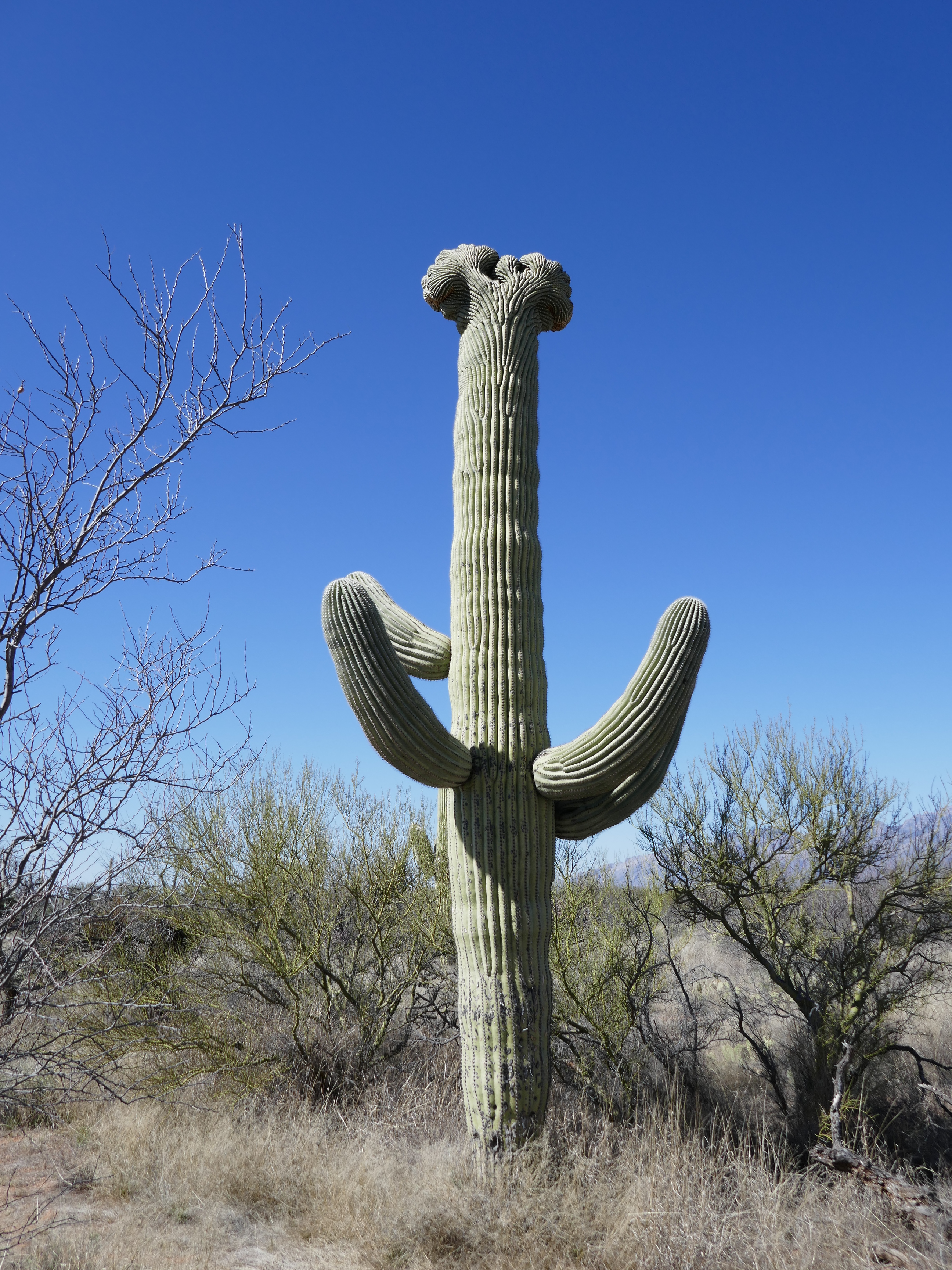
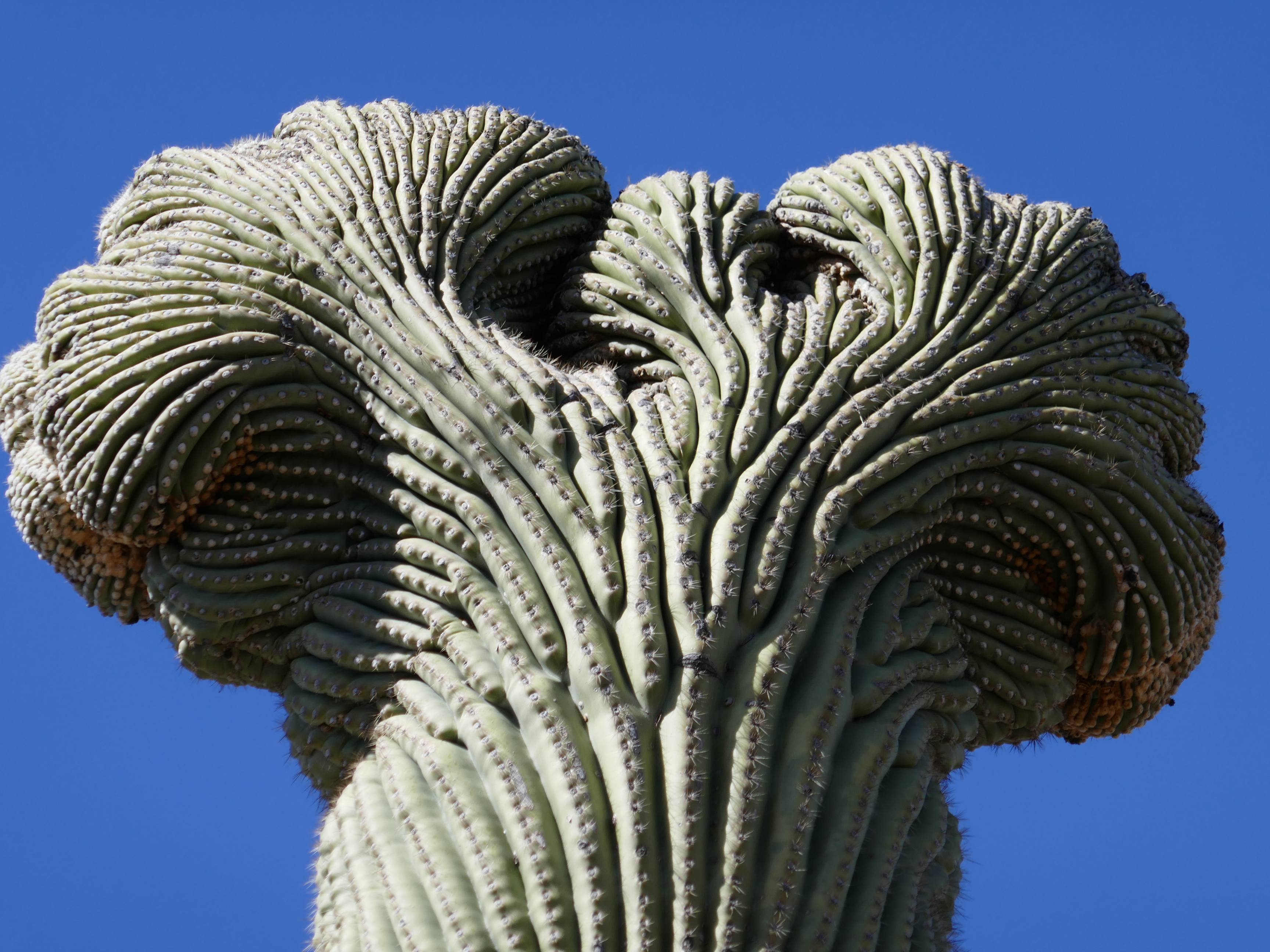
One particular saguaro that I love to see is the crested saguaro. This is something that a few saguaro like to do, but not all. It is unclear why this happens but every now and again a saguaro’s growing tip (that’s the top) produces a fan like form. They are somewhat rare, and there are a few “hunters” who have spent years documenting and counting these amazing cactus. There are a few right near Tucson and I have (so far) seen three out of the thousands that are in the area.


3 Comments

Filed under Gardening, Plants

How Does My Orange Grow?

It Happened!!

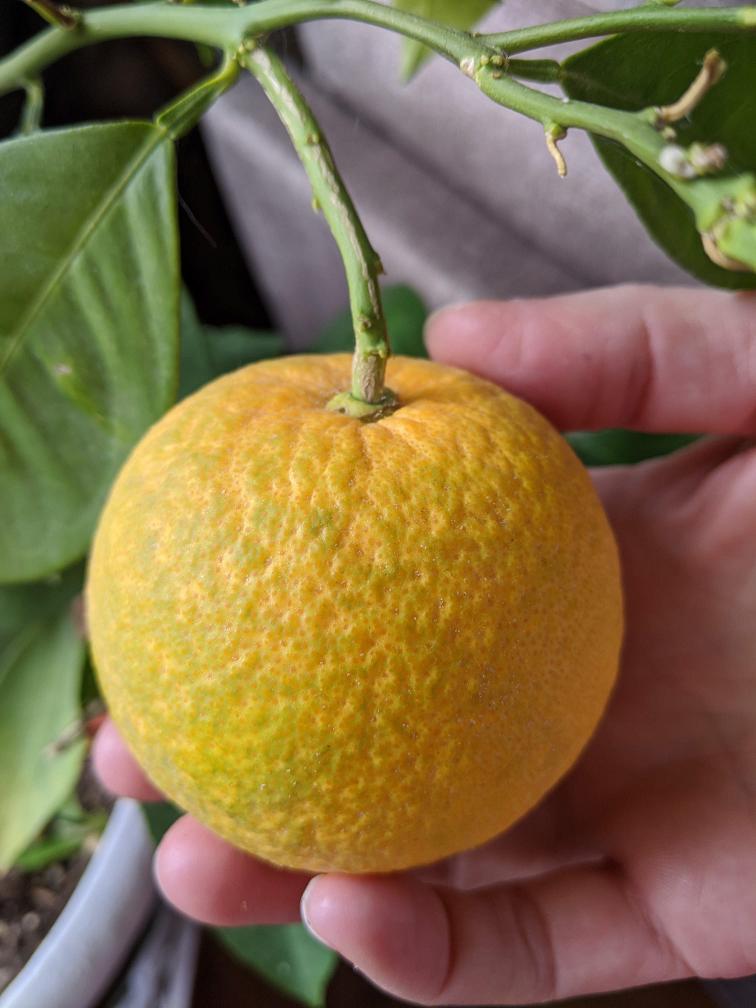
After waiting over a year my single orange has fallen from the tree. When it broke from its branch into my hand I had a giddy moment with the feeling of holding a new puppy. An orange was born!

Way back in May of 2019 was the first little bud of an orange and today I have savored its sweet taste. I did not have an orange from the store to do a straight comparison, but IMHO I think my orange was the best I’ve had in a long time. Of course, any fruit or vegetable that is picked fresh always tastes so much better!

Below are the last few images as my orange ripened then finally was ready to eat.

October 2019
December 2019
Here it is!!
February 2, 2020

3 Comments

Filed under Gardening, Plants