The first thing that attracted me to the Emu Bush was the name. How can you not like a plant with the name EMU? The second thing that caught my attention was the fact that they bloom in the winter. What a perfect way to add color to the long brown season called winter.
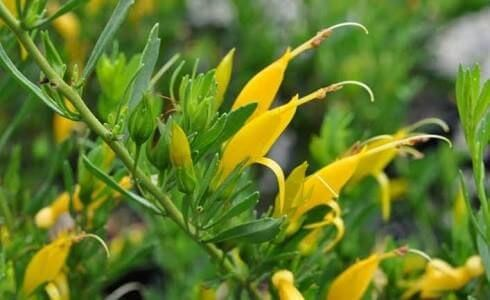
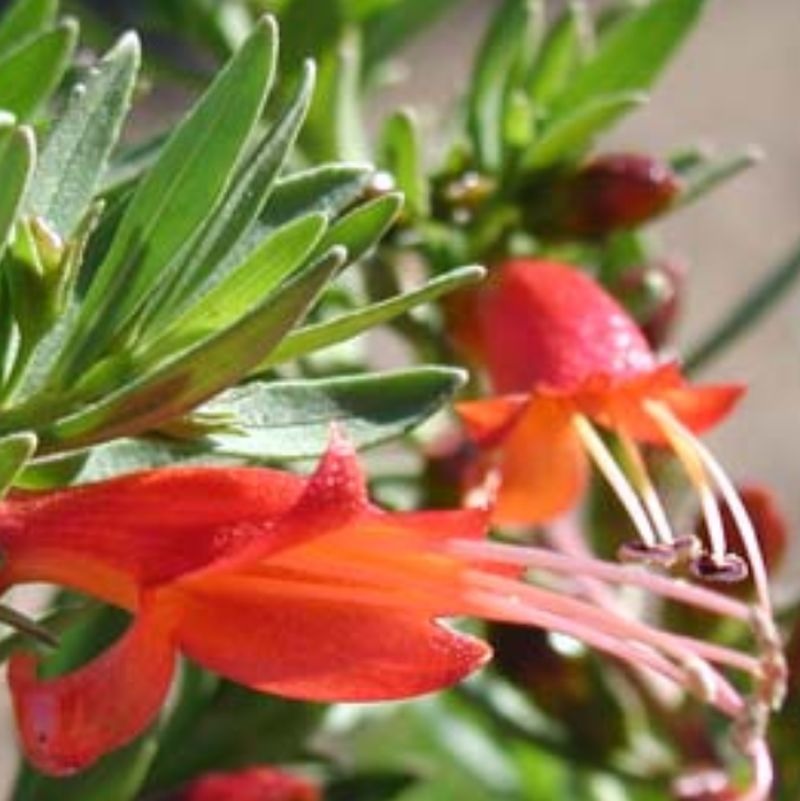
The Emu bush comes in several varieties. There is the Winter Blaze (Eremophila carnosa) which boasts a brilliant firetruck red flower. The Gold Emu (Eremophila glabra) has delicate yellow blossoms that contrast beautifully against our brown soil. Last of my favorite Emu bushes in the Valentine Emu (Eremophila maculata) which, as you might have guessed, shows off in pinks. *
Emu bushes also tend to grow slightly different from one another. Winter Blaze and the Valentine Emus grow to quite large bushes – 4-6 feet in all directions, whereas the Gold Emu is more of a ground cover growing to a 12′ spread but only about 20″ high. They love full sun and are quite hardy. They can be lightly pruned to maintain bushiness, and only need water about twice per month (a little more in the heat of the summer). Hummingbirds love this winter gem which is a big plus in my garden.
*This is a good time to remind you that the botanic name is important. If you want to line a wall with high bushes, then don’t grab the Eremophila glabra, but consider the Eremophila carnosa instead.
Container gardening in the desert presents unique challenges and opportunities due to the arid climate and extreme temperatures. With proper planning and care, however, it can yield stunning results, allowing you to enjoy lush greenery and vibrant blooms even in the harshest conditions. Selecting the right containers is crucial; opt for terracotta, and steer away from plastic. Plastic containers are quite a bit lighter than terracotta, but they tend to dry out and crack under the intense heat and UV rays from the sun. Terracotta is made for the heat and by spending the added $$ for it, you will have many years of enjoyment from it. Be sure there is adequate drainage to prevent waterlogged roots.
When it comes to plant selection, prioritize species that are native to desert environments or are well-adapted to thrive in such conditions. Succulents, cacti, and drought-tolerant herbs like rosemary and lavender are excellent choices for desert container gardens. Incorporating a mix of textures and colors can create visually appealing arrangements while conserving water and minimizing maintenance requirements. Additionally, using mulch or decorative stones on the soil surface can help retain moisture and regulate soil temperature, promoting healthier growth.
Successful container gardening in the desert relies heavily on strategic placement and diligent care. Position containers in areas that receive adequate sunlight while providing some protection from the scorching midday heat. Regular watering is essential, especially during the hot summer months, but be mindful not to overwater, as excess moisture can lead to root rot in desert-adapted plants. With thoughtful planning and attention to the unique needs of desert flora, container gardening can create stunning oasis-like displays that thrive despite the challenges of the desert climate.
Have you ever wondered what the long, Latin(ish), unpronounceable names are that you see on every label of a plant? Are they important? What do they mean? Here’s the short story on a somewhat long explanation.
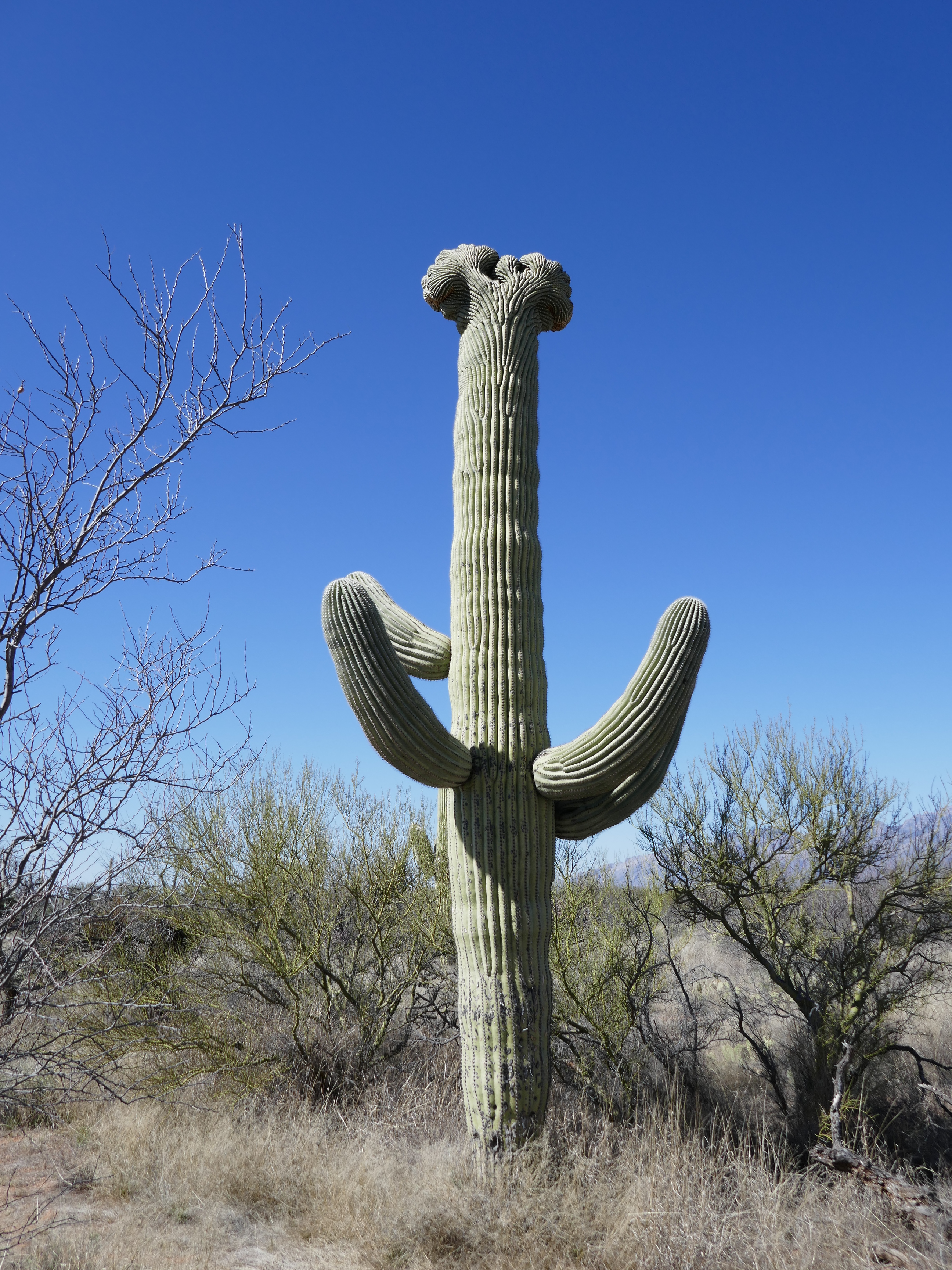
Let’s first take a look at the two names that are associated with every plant out there (yes, every single plant on the planet has a unique botanical name). Botanical names are usually made up of two words. The first word (always capitalized) is the bigger group (genus) that a plant belongs to. Take the cactus which all belong to the family group, Cactaceae. The second word (never capitalized) relates to the specific plant. So, Carnegiea gigantea refers to the cactus known as the saguaro. Notice the botanic name is italicized and by the “rules” it should also be underlined, but this is not always practiced.
Saguaro in Catalina State Park Carnegiea gigantea
So, if Carnegiea is the name for cactus, what other families are out there? (In honor of this being the letter B in the A to Z blogging challenge, these are a few that start with the letter B):
Baileya multiradiata, Desert Marigold
Berlandiera lyrata, Chocolate Flower (a must have in every desert garden – it smells like chocolate!)
Brandegea bigelovii, Desert Starvine
But what do these designations signify? While a comprehensive exploration exceeds the scope of this discourse, let’s unravel a couple of examples. Consider Berlandiera lyrata, where “lyrata” hints at its leaf shape reminiscent of a lyre, while “multiradiata” aptly describes its profusion of rays, a characteristic trait of marigolds. Furthermore, “gigantea” in Carnegiea gigantea evokes the colossal stature of the saguaro, befitting its towering presence in the desert landscape.
Is the botanical name important? YES! Can you just go to the store and ask for a Texas Ranger? NO! I answer these questions in all caps because I experienced this first hand. When I moved to our home here in Tucson, I was busy at the local garden centers filling my half acre yard with desert dwelling plants. In one area I put in three Texas Rangers. These were to grow to 6′ to 8′ in height and width. The size is perfect for the spot I put them in. One problem cropped up though. I planted the three with a giant hole between plant #1 and #2 so I needed one more Texas Ranger to fill the gap. I went back to the nursery not realizing that not every Texas Ranger is the same. I grabbed one that turned out to be a different species that only grows to 4′ and is a different color. There are about 10 different species of Texas Ranger so my next trip to the garden center I went armed with the botanical name; Leucophyllum pruinosum, not Leucophyllummaygophullum.
Next time you are looking at a new plant, get to know the botanical name. You may never remember it, but it is what sets each plant apart from another.
If you have had any plant foibles I’d love to hear about them. Leave your story in the comments. Until then, Happy Gardening!!
This post was brought to you by the letter B and written specially for the 2024 A to Z blogging challenge.
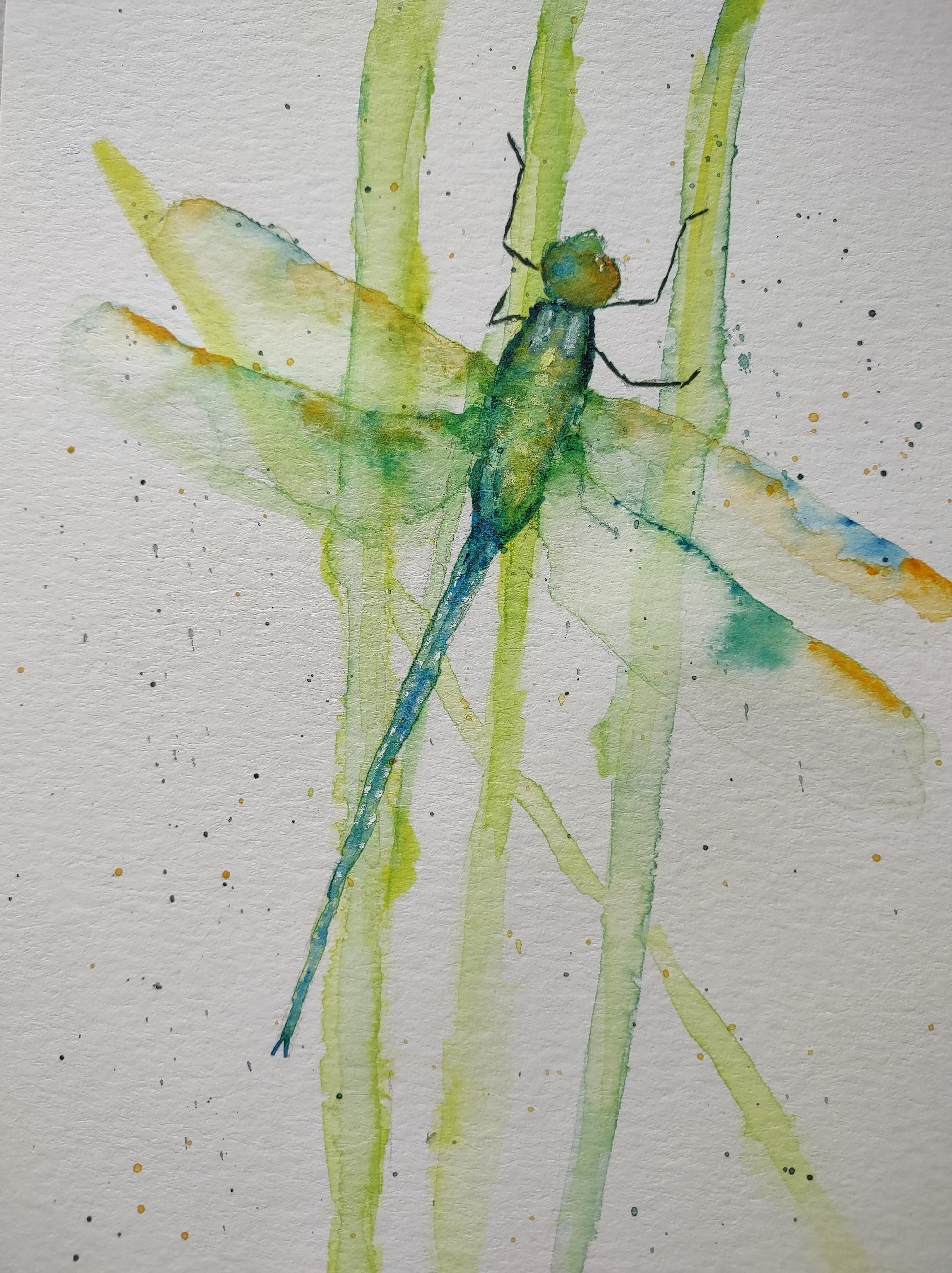
Welcome the first post post for the A to Z Blogging Challenge! I am excited to be writing about desert gardening throughout the month of April. You will find that I will be mixing things up a bit with not just posts about gardening, but you will find artwork and photography as well. I am a professional dabbler in a variety of art forms so get ready for fun this month.
Apples
Anna Apple Malus domestica ‘Anna’
Today is dedicated to the letter ‘A’ and I bring you apples and aloe. Let’s start with apples. You might wonder, “Can apples truly thrive in the desert heat?” Indeed, for many apple varieties, the scorching temperatures of the desert pose a challenge. However, there exist a select few varieties that flourish remarkably well in the Sonoran Desert. The key to their success lies in choosing cultivars with lower chill hour requirements. Chill hours denote the cold hours (typically between 32 and 45 degrees Fahrenheit) necessary for a tree to yield fruit. Seek out apple varieties demanding 300 chill hours or fewer, such as the resilient Anna, the esteemed Beverly Hills, or the adaptable Ein Shemer. For an in-depth exploration of the diverse array of deciduous fruit and nut trees compatible with the Doran Desert’s conditions, I recommend perusing the comprehensive publication crafted by The University of Arizona’s Cooperative Extension. https://extension.arizona.edu/sites/extension.arizona.edu/files/pubs/az1269.pdf
Aloe
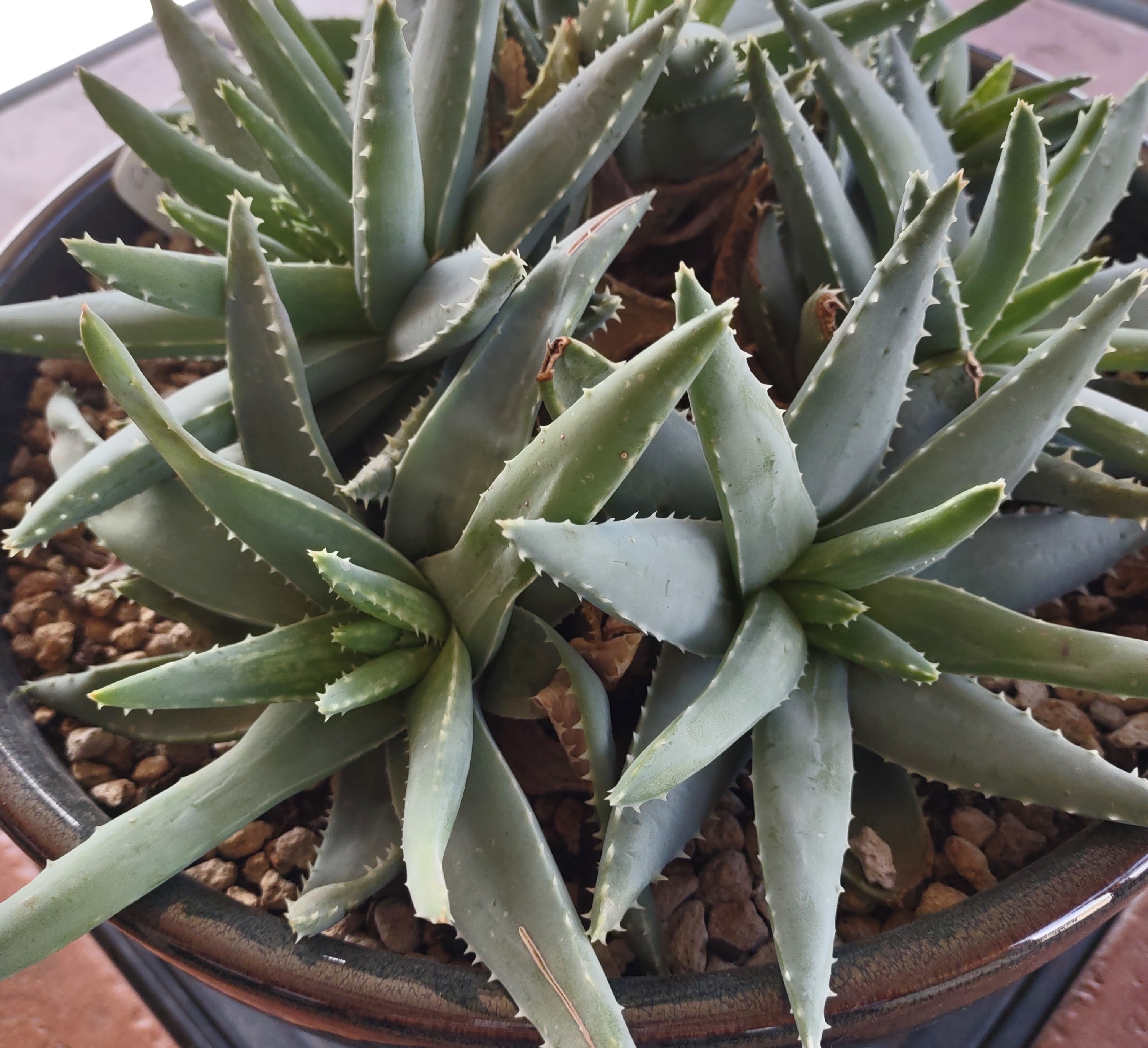
Crocodile Aloe Aloe brevifolia
Let’s now shift our focus to a plant that seems perfectly at home in the desert climate: the Aloe. As a newcomer to this region within the past few years, it’s been a curious sight to encounter Aloe plants thriving in front patches of desert landscapes. Unlike my previous experiences where Aloe was a cherished household plant, here they seem to flourish almost effortlessly, spreading prolifically and, if left unchecked, even overtaking entire gardens. To adapt to this unique environment (and to preserve my garden) I’ve relocated my Aloe to a pot on my front porch, a stark contrast to its former place in the living room. Given the occasional dips in temperature, particularly in my location north of Tucson and at a slightly higher elevation, I’ve taken to covering it with frost cloth when the mercury drops below 35 degrees Fahrenheit.
There are over 600 species of aloe and the most recognizable is the Aloe vera known for it’s medicinal and cosmetic properties. Most flower in the spring with clusters of tubular flowers that bunch at the end of a long stalk. It is said that the sticky gelatinous interior of the leaves can be used to sooth minor skin irritations or, if consumed, can help with digestive issues*.
There are many other desert dwellers that start with the letter ‘A’ such as acacia, Arizona milkweed, and Arizona rosewood. Tomorrow I’ll introduce you to bottlebrush and botanical names. Why is it so important to arrive at the garden store with more than just a common name.
Until then, enjoy your garden, wherever it is.
*(Obligatory disclaimer: I am NOT a healthcare professional. Before using aloe for any health problems consult a medical professional).
Am I a master gardener yet? I’m working on it! I completed the classroom portion of the program and am now an intern volunteering at the demonstration gardens in Tucson. The specific garden I’m working in is called Small Spaces which has smaller sub-gardens showing what can be done in a small space.
What I find interesting is that even if you have a large space the small spaces garden demonstrates ways to plan your own landscape no matter how big or small. Let’s say you want to have a Mediterranean feel to your landscape. If you pop over to the Pima County Demonstration Gardens, then check out the Small Spaces plot for a Mediterranean Garden. You can duplicate what has already been planted, then ask the Master Gardener for suggestions on additional plants you could add. Also, do some research on your own, and before you know it you’ll have the garden of your dreams.
African Daisy Chrysactinia mexicana
Right now the Tucson area is blooming! There are lupine, penstemons, globe mallow, African daisies, and a vast number of other flowers that grow wild here. The palo verde and mesquite trees will be next. I’ll do my best to get photos of things as they come out. I should have plenty of opportunities during the A to Z blogging challenge as I plan to take a look at desert gardening through the month of April. Until then, enjoy these photos.
Perry’s Penstemon Penstemon parryi
Desert Poppy with Mexican Fencepost Eschscholzia glyptosperma Pachycereus marginatus
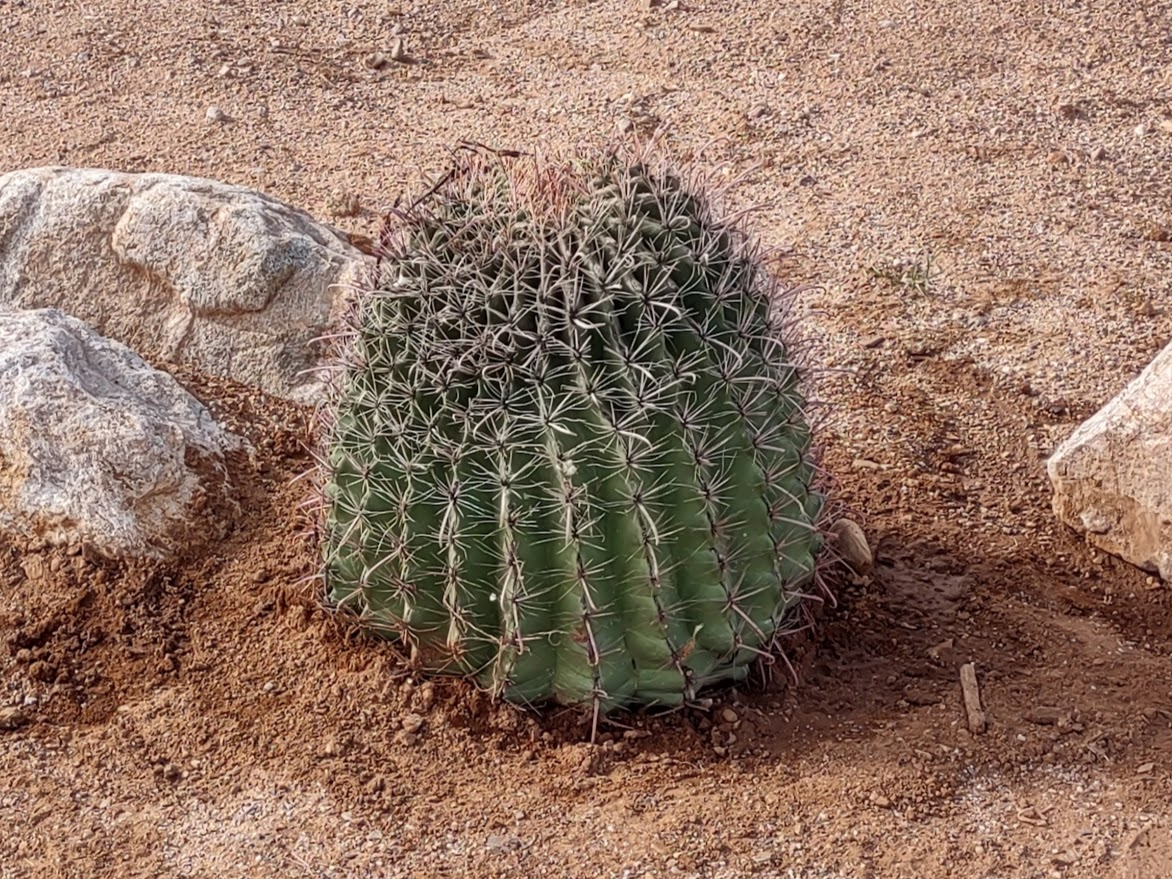
Fishhook barrel cactus (this will bloom later in the year) Ferocactus wislizenii
April is almost here, and for those of you who follow my blog you know what that means — Blogging A to Z is here! I am excited to share with you what my theme for this year will be.
DESERT GARDENING (and other artsy things related to gardens)
Why gardening? At the end of 2023 I spent 16 weeks studying to become a master gardener here in Pima County, Arizona and I want to share with you the many things I have been learning. The specific articles will cover cactus, succulents, bugs (the good and bad), along with water harvesting, trees, and more! I am excited to get started!
Buckle up and get ready for a month of Desert Gardening.
There’s a really good reason I have failed miserably to keep you all up to date on my progress through the Master Gardener program. There is just too much information to compact it into a blog post! It is incredible what we have been learning. (I will admit some of it goes way over my head, and I hope that once I enter the year long internship program, a lot of this will start to make sense.)
So, what have we studied so far in the last 7 weeks? Botany, soil, fertilizers, irrigation, propagation, entomology, and Integrated Pest Management (no pesticides needed!). Now that we have the bare bones of how plants and insects live together, we are now diving into the different plants themselves. Next up – cactus, succulents and Xeriscape.
Cactus are a whole new world for me. After living in Colorado for 40+ years I never grew any. They were too pokey in my gardening handbook. Don’t get me wrong, Colorado is semi-arid so there were cactus there, just not like they are here in Arizona. Now, after living in Arizona for only two years, those prickly critters are growing on me. Respect is the word I’d use. After all, living in a desert environment is only for the tough at heart. Nearly everything here will either stab you, sting you, or bite you so if you want to survive you better be able to stand the heat (literally and figuratively).
With all that said, I want to rephrase my commitment to you. Instead of a weekly post about, “What I learned in school,” I will, instead, share gardening tips along the way. If something pops up during class that could be of interest, or is one of those “fun facts’ I’ll share it with you.
So, until next time remember this: Every part of the prickly pear is either useful (the thorns can be used as a needle) or edible (the pads as well as the fruit – have you had prickly pear jelly? Delish!).
About 6 months ago I learned that the University of Arizona Cooperative Extension provides a Master Gardener training program. To be honest, I had never heard of this and was curious about it (check out their website HERE). The extension program is robust and provides information on a vast array of subjects like, 4-H, food preservation, forest health, financial literacy, master gardener, and so much more.
I actually found out about the master gardener program through social media (Facebook to be exact). So, 6 months ago I submitted an application, went through the interview process, and much to my delight, I was accepted into the program. YAY!
Tuesday was my first day back at school (it has been at least a thousand years since I was in a classroom). Even though I was a little nervous at first, I soon met a few fellow students and am now a part of a study group. When I got home it felt like my first day in Kindergarten. Fear of the unknown was replaced by a giddy feeling of joy that I made new friends at school. Yep, I’m feeling like a little kid right now.
Like any first day at school, we spent most of the time with the introduction to the rules, expectations, and the course schedule. It’s going to be a LOT! But, we also get to look forward to working in their beautiful gardens once classes are completed and the final exam is passed (yes, we have a final exam too!). We toured the gardens while we were there and I’m not kidding that they are beautiful.
The garden center is set up for the home gardener and is divided into areas such as a potted garden, edible garden, shade garden, and a xeriscape garden. The Master Gardeners are there to help home gardeners create and care for their own gardens along with help to trouble shoot pests and other nasty things that quietly invade a garden (for me it was gophers and frost).
Over the course of 12 weeks we will be hammered with information and I hope to share with you some of the highlights along the way. Join me and I will do my best to share tidbits that you might need in your own garden. Please be aware that I am NOT a Master Gardener – yet. If you have questions or concerns about your own garden, please refer your questions to a Master Gardener in your area.












 arbitrarydustbunnies