Tag Archives: Gardening

Master Gardener Training

Week One – Introduction and Tour

About 6 months ago I learned that the University of Arizona Cooperative Extension provides a Master Gardener training program. To be honest, I had never heard of this and was curious about it (check out their website HERE). The extension program is robust and provides information on a vast array of subjects like, 4-H, food preservation, forest health, financial literacy, master gardener, and so much more.

I actually found out about the master gardener program through social media (Facebook to be exact). So, 6 months ago I submitted an application, went through the interview process, and much to my delight, I was accepted into the program. YAY!

Tuesday was my first day back at school (it has been at least a thousand years since I was in a classroom). Even though I was a little nervous at first, I soon met a few fellow students and am now a part of a study group. When I got home it felt like my first day in Kindergarten. Fear of the unknown was replaced by a giddy feeling of joy that I made new friends at school. Yep, I’m feeling like a little kid right now.

Like any first day at school, we spent most of the time with the introduction to the rules, expectations, and the course schedule. It’s going to be a LOT! But, we also get to look forward to working in their beautiful gardens once classes are completed and the final exam is passed (yes, we have a final exam too!). We toured the gardens while we were there and I’m not kidding that they are beautiful.

The garden center is set up for the home gardener and is divided into areas such as a potted garden, edible garden, shade garden, and a xeriscape garden. The Master Gardeners are there to help home gardeners create and care for their own gardens along with help to trouble shoot pests and other nasty things that quietly invade a garden (for me it was gophers and frost).

Over the course of 12 weeks we will be hammered with information and I hope to share with you some of the highlights along the way. Join me and I will do my best to share tidbits that you might need in your own garden. Please be aware that I am NOT a Master Gardener – yet. If you have questions or concerns about your own garden, please refer your questions to a Master Gardener in your area.

Week 2? Botany.

Have a green day!

3 Comments

Filed under Gardening

Desert Gardening

In the vast expanse of arid landscapes, such as the Sonoran Desert or the Mojave Desert, where the scorching sun dominates and water is a scarce resource, lies a fascinating and rewarding pursuit—desert gardening. Contrary to popular belief, desert regions offer unique opportunities for cultivating vibrant and sustainable gardens that thrive in extreme conditions. With careful planning, resource management, and an understanding of desert ecology, anyone living in the desert can create an oasis of greenery amidst the desert’s harsh realities. Let’s explore the art of desert gardening, highlighting its benefits, essential techniques, and some plant choices that will transform your perception of what’s possible in a barren land.

Here are a few things you should understand before getting started:

  • Understand the Desert Environment
    Before embarking on a desert gardening journey, it is crucial to comprehend the unique characteristics of this environment. Deserts are known for their low rainfall, intense sunlight, high temperatures, and poor, well-drained soil. However, deserts also possess a rich ecosystem adapted to these challenging conditions, offering inspiration and guidance for gardeners. By observing the native plant species and their survival strategies, we can gain valuable insights into which plants thrive in these extreme climates. Remember, desert environments can range from freezing temperatures to high heat so be aware what your micro-climate might be.
  • Efficient Water Management
    Water scarcity is the biggest challenge in desert gardening. To overcome this obstacle, gardeners must focus on water conservation and efficient irrigation techniques. Collecting and storing rainwater through rain barrels or cisterns can provide a valuable resource during dry spells. Additionally, implementing drip irrigation systems, and using mulch to retain moisture are effective methods to minimize water loss and maintain soil hydration. Using passive water systems which combine berms with swales will make any rains efficient in watering your garden. Grouping plants with similar water needs together and practicing xeriscaping (a landscaping method that reduces water usage) can further optimize water usage in desert gardens.
  • Soil Improvement
    Desert soils are often low in organic matter and lacking in essential nutrients. Enhancing the soil’s quality is crucial to support plant growth in these harsh conditions. Incorporating compost, organic matter, and well-balanced fertilizers can significantly improve soil structure, water-holding capacity, and nutrient availability. Amending the soil with materials like perlite or vermiculite can also enhance drainage and prevent waterlogging, which is detrimental to desert plants. Keep in mind that some plants are happy living in the unenhanced soil found in the desert so don’t overdo it.
  • Plant Selection
    Choosing the right plants is fundamental to successful desert gardening. Native species that are adapted to the arid environment are the ideal choice, as they have evolved to withstand the harsh conditions. These plants have developed unique features like succulent leaves, water-storing stems, or deep root systems that help them conserve water. Examples of popular desert plants include cactus (golden barrel, prickly pear, or Mexican Fence Posts), succulents (such as agave and aloe vera), desert marigold, desert lavender, and desert milkweed. It’s important to consider factors such as sun exposure, cold tolerance, and water requirements when selecting plants for a desert garden.
  • Creating Microclimates
    In the desert, temperature extremes can be challenging for plants. Creating microclimates within your garden can help protect sensitive plants from excessive heat or cold. Using shade structures, such as pergolas or shade cloth, can provide relief from intense sunlight during the hottest part of the day. Planting taller, heat-tolerant species strategically to provide shade for more delicate plants can also be beneficial. Additionally, windbreaks made of fences or hedgerows can shield plants from strong desert winds, reducing water loss and preventing damage.

Desert gardening celebrates nature’s resilience and showcases the incredible adaptability of plant life. By embracing the unique challenges of the arid environment and employing smart gardening techniques, you can create lush and sustainable gardens that thrive in the face of adversity. Through efficient water management, soil improvement, careful plant selection, and the creation of microclimates, desert gardeners can transform barren landscapes into vibrant oases, inspiring others to appreciate the beauty and diversity of desert flora. So, if you’re ready to embark on an extraordinary gardening adventure, the desert awaits you with open arms and the promise of a flourishing paradise.

Leave a comment

Filed under Gardening, Plants

Elephant Food – The Plant

Mind the Freeze Warnings in the Desert

Last year I found one of my favorite plants, Elephant Food (Portulacaria afra). It has reddish brown stems and the leaves are a beautiful emerald green. When grown to a full bush they will grow to about 8-12 feet. BUT, they do not tolerate a freeze. This I found out the hard way.

When I purchased these from the local nursery I explained that I did not live in Tucson proper but a bit higher. Elephant Food will do just fine with a little cold, they said. Not to worry they said. This past winter was cold for the area (cold is a relevant term of course). According to my backyard weather station we went down to 25 overnight about 5 times. The Elephant Food kicked the bucket. It did look pretty good right after it was planted (to the right of the aloe).

This winter taught me that there were a number of plants that I thought would be fine with a little bit of cold. Aloe do not like the cold, and neither do mangave. The fairy dusters were a mixed bag (three died and two are hanging on by a leaf). I dug up the aloe and mangave before they were a complete loss, but I really didn’t want a house full of plants for the winter.

Now that it is April the temperatures with start to climb and I can put everything back outside. Well, after tomorrow night…it’s supposed to go down to 35 overnight. That’s cold for these parts!


#AtoZChallenge 2023 letter E
This post was brought to you by A-to-Z Blogging Challenge and the letter E.

Leave a comment

Filed under Gardening, Plants

Orange Tree Update

My orange tree is still alive and this year is a hopeful one. If you are just tuning in, the saga of my orange tree has been going on for three years now. In year one it grew one, lovely orange. Last crop there was hope for at least 10 oranges, but it nearly died because of spider mites. 2021 is a hopeful year for my dear orange tree.

I have raised the pot up out of the water catch tray in an attempt to ward off the mites. I am also restraining myself from overwatering. I think that was the trouble last crop…too much H2O. So far, so good.

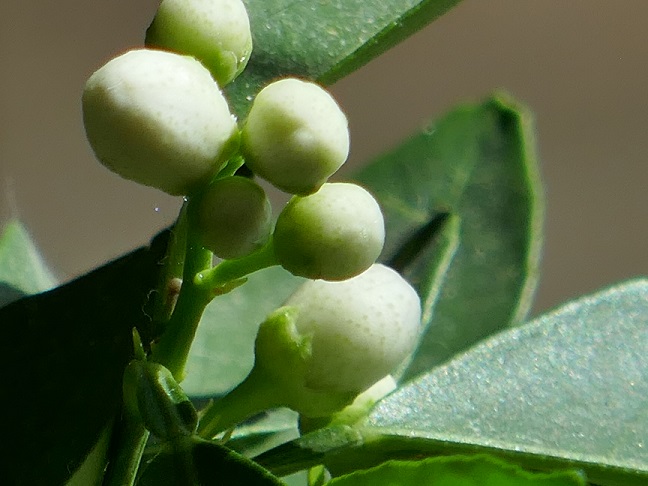
Today, there is a mix of buds, blooms, and small berries. Because of this mix, I am hoping this crop will be more successful. My potted orange tree has been a learning experience so we’ll see how it goes.

Leave a comment

Filed under Gardening